

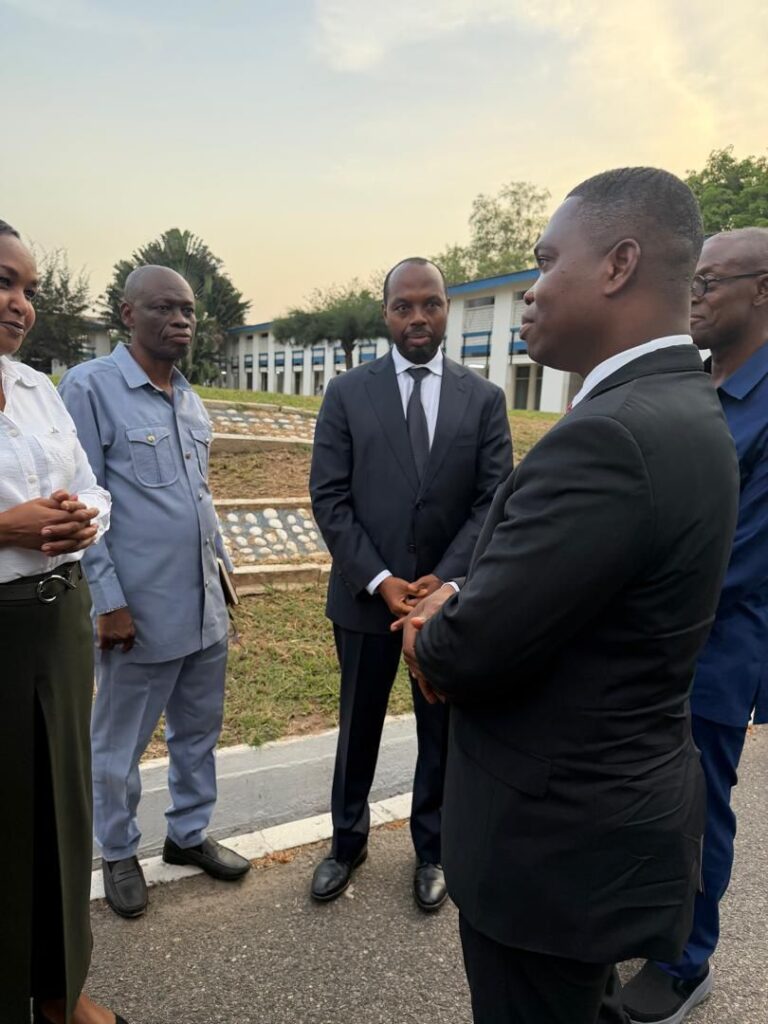
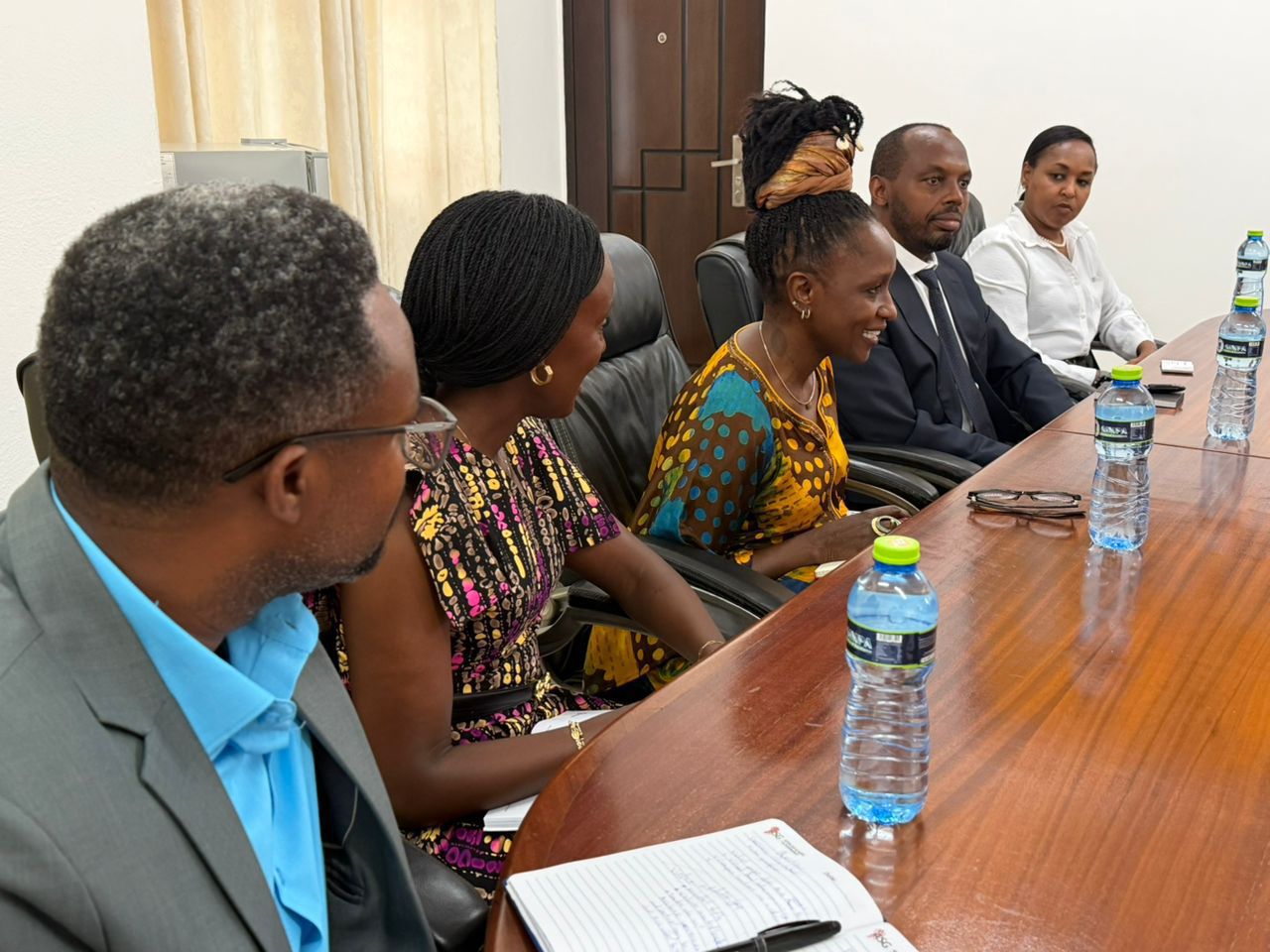
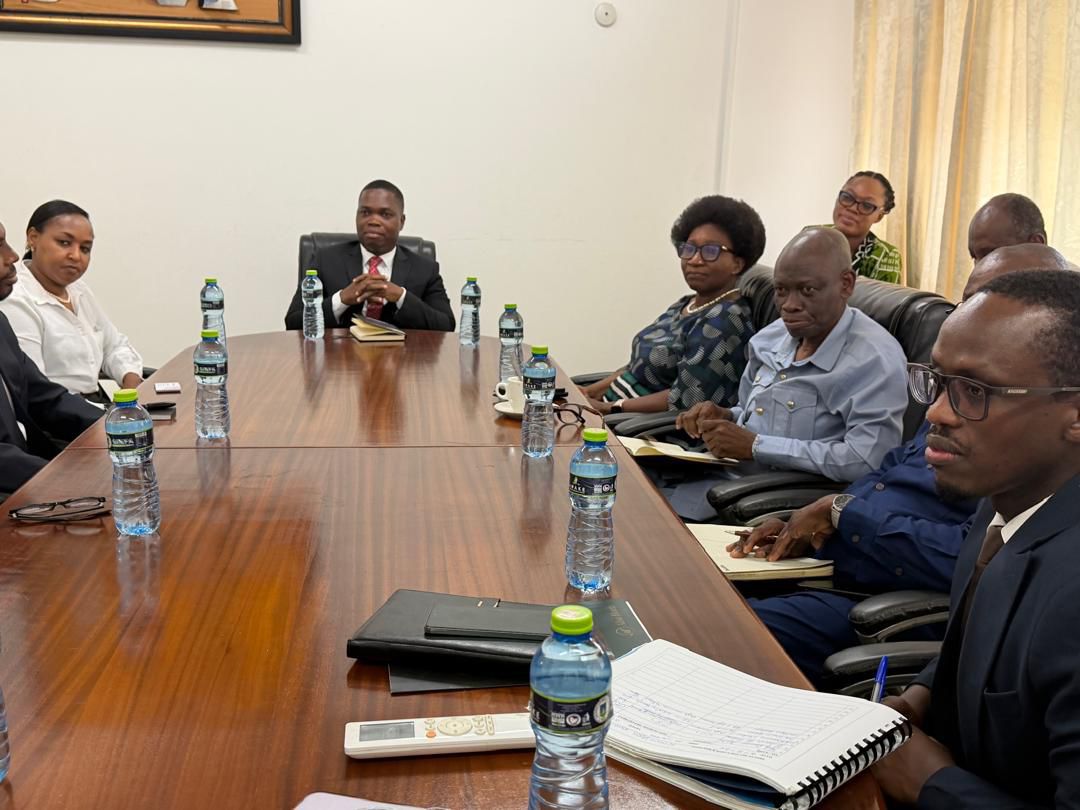
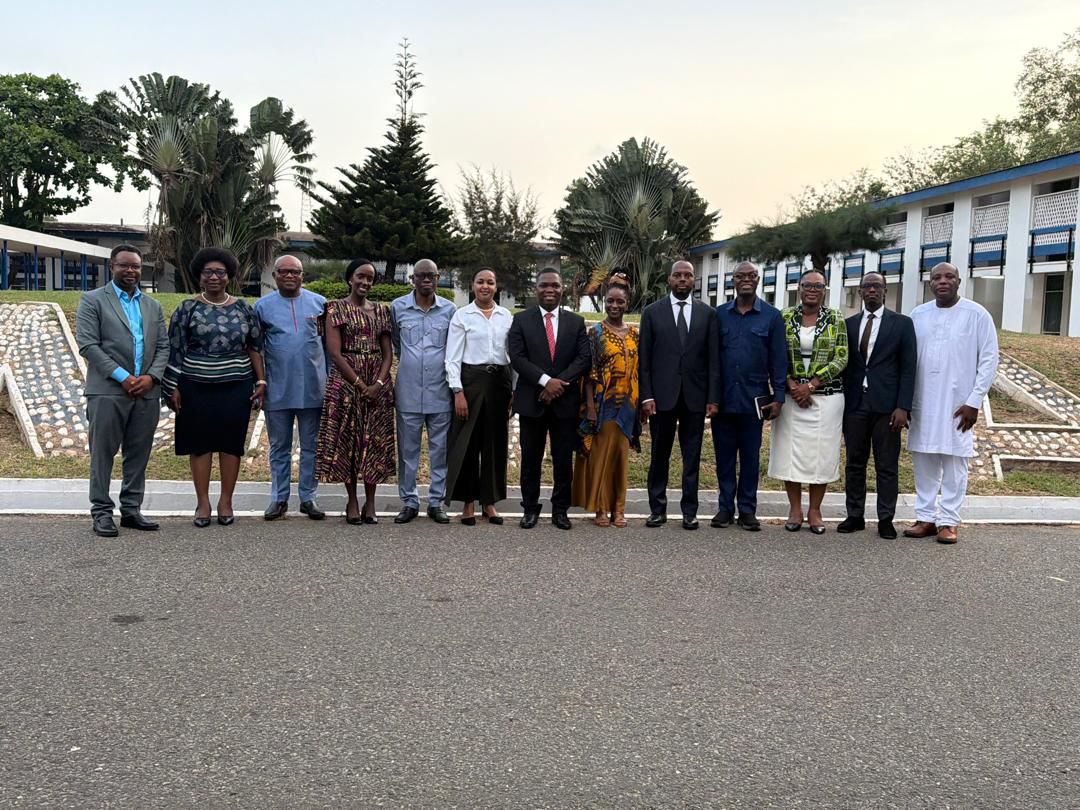
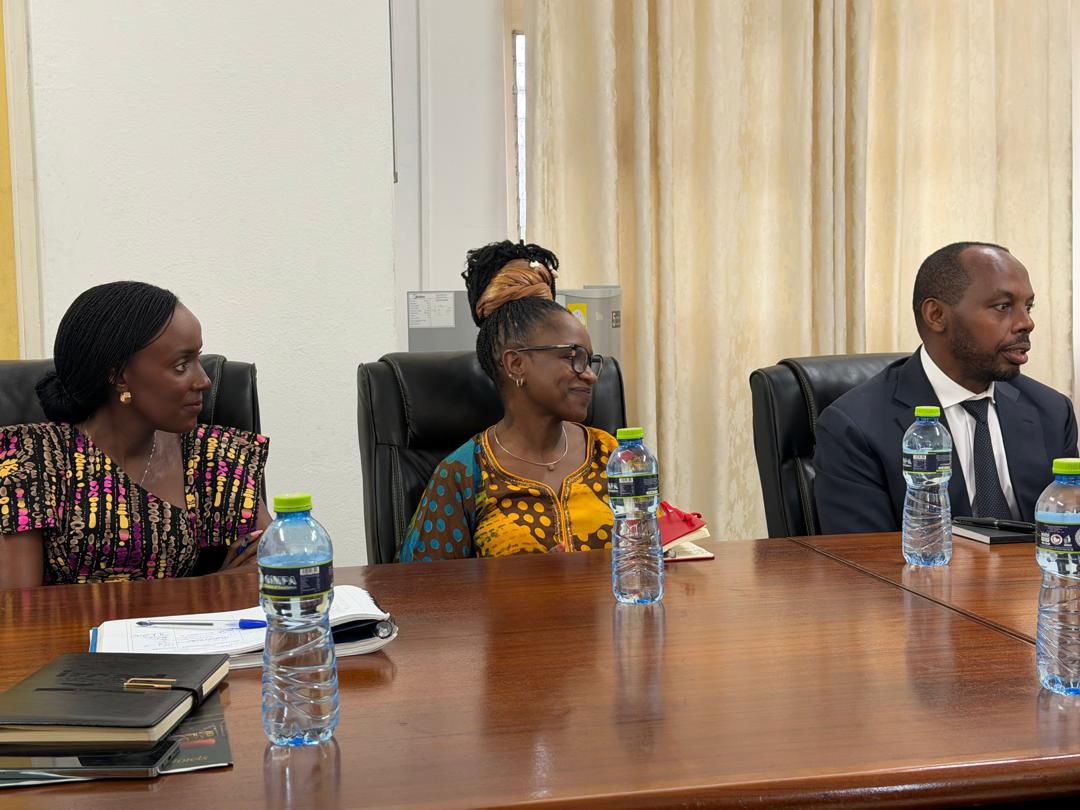
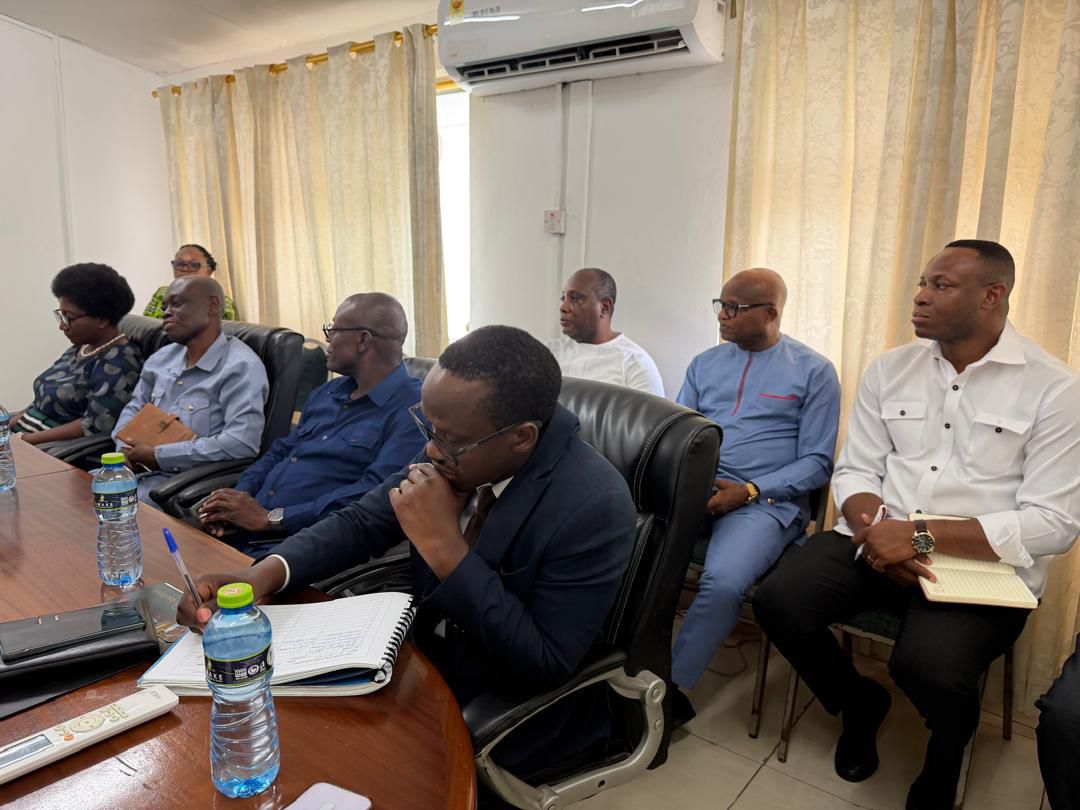
The Ghana Institute of Management and Public Administration (GIMPA) and the African School of Governance (ASG) have begun discussions to explore a strategic partnership aimed at strengthening leadership, governance, and public sector training across Africa.
The discussions took place during a visit to GIMPA by a delegation from ASG led by its President, Francis Gatare, who outlined the vision behind the institution and its focus on cultivating ethical leadership on the continent.
Gatare said the African School of Governance was established to train a new generation of African leaders equipped with the technical skills and ethical values needed to improve governance and policymaking across the continent.
“We envision a generation of leaders on our continent who have strong values, who are competent with technical skills in management, leadership and policymaking, but most importantly embrace the values of ethics,” he said.
The school, based in Rwanda, was established through the initiative of Paul Kagame in collaboration with former Ethiopian Prime Minister Hailemariam Desalegn.
According to Gatare, the institution aims to build a network of leaders across Africa who share common values and can work together to address governance challenges.
“We want leaders who see leadership not as a means to serve themselves and their families alone, but to serve their communities and improve the conditions of our people,” he added.
Responding to the delegation, GIMPA’s Deputy Rector, Prof.Ebenezer Adaku, highlighted the institute’s long-standing role in leadership development in Ghana and across Africa.
Established in 1961, GIMPA was created to train public sector administrators and has since grown into one of Africa’s leading institutions for management, governance, and leadership training.
“For over six decades, our mission has been to train public servants not only in Ghana but also across Africa, including countries such as The Gambia and others,” he said.
Adaku noted that GIMPA operates through four main schools: the GIMPA Business School, the School of Public Service and Governance, the GIMPA Law School, and the School of Technology and Social Sciences.
He said the institute has produced graduates who now occupy key leadership positions across Ghana’s public and private sectors.
“If you go to Parliament today, almost 30 percent of the parliamentarians have passed through GIMPA in one way or another,” he said.
Adaku also emphasized that GIMPA’s training approach focuses on practical leadership development rather than purely theoretical learning.
“There is a difference between lecturing and training. Lecturing excites the intellect, but training prepares people to go out and solve real problems,” he said.
Officials explained that many of GIMPA’s executive and professional programmes use real-world case studies, simulations, and interactive discussions with practitioners from government and industry to equip participants with practical skills.
Newly appointed senior public officials, including Ghana’s Chief Justice, have also participated in leadership orientation programmes organized by the institute.
Both institutions expressed interest in collaborating in areas such as leadership and governance training, executive education programmes, faculty exchange, and joint research.
Gatare said ASG was keen to learn from GIMPA’s decades of experience in leadership training.
“What you have been doing here for decades is what we aspire to do. We came here to listen, to learn, and to see what lessons we can draw from your journey,” he said.
GIMPA officials welcomed the initiative, noting that collaboration between the two institutions could contribute significantly to promoting ethical leadership and good governance across Africa.
