The Ghana Institute of Management and Public Administration is deepening its continental reach through a new partnership with Burundi’s École Nationale d’Administration, as the Accra-based institution positions itself as a hub for governance training and executive education across Africa.
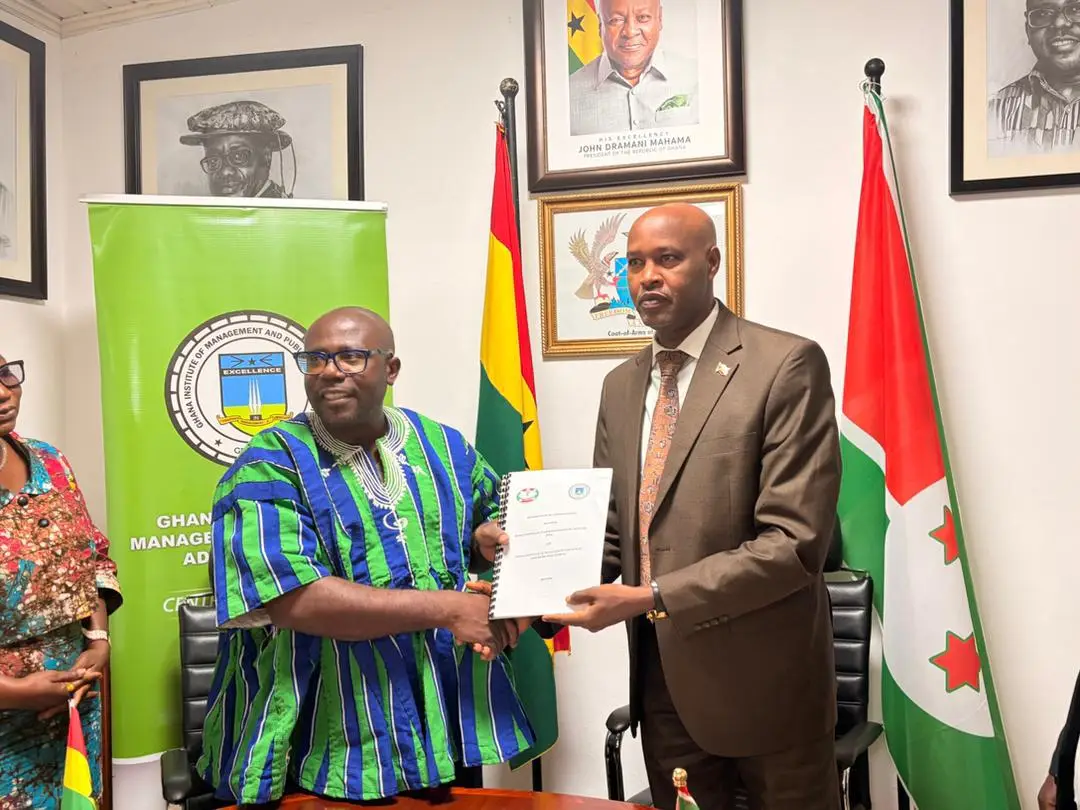
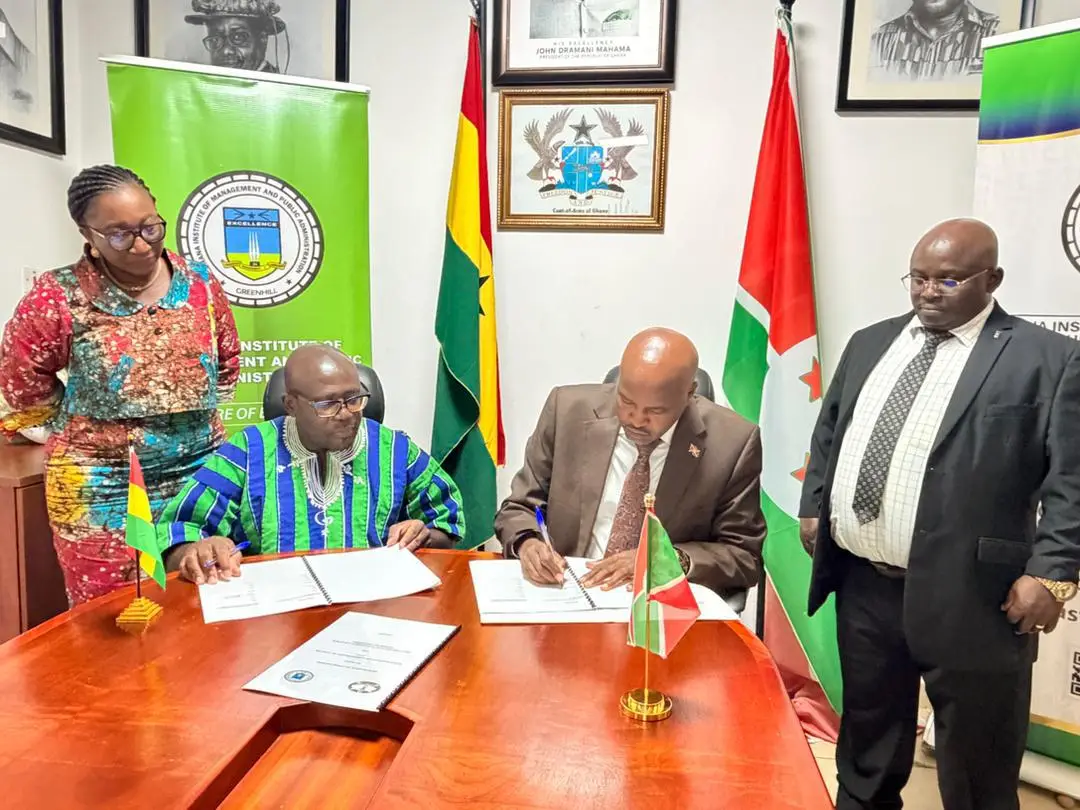
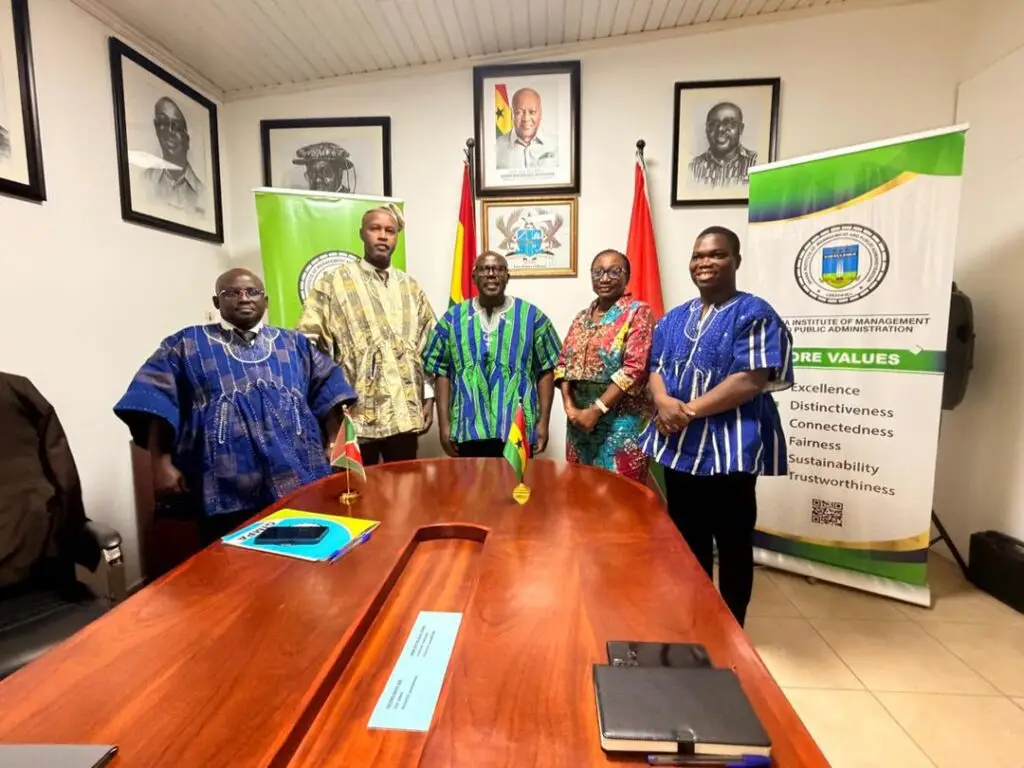
The agreement, formalized through a memorandum of understanding, brings together GIMPA Rector Samuel Kwaku Bonsu and Deputy Rector Ebenezer Adaku with ENA Director General Ambassador Professor Jean de Dieu Ndikumana and Desire Louis Nizigiyimama. The partnership is expected to focus on leadership development, joint research, and institutional exchanges.
The move reflects a broader strategy by GIMPA to expand beyond Anglophone Africa into Francophone markets, leveraging decades of experience training public-sector leaders and executives. Officials say the initiative is aligned with the African Union’s Agenda 2063, which emphasizes stronger institutions and cross-border collaboration as drivers of long-term development.
“Global leadership demands institutions that understand Africa not only academically, but in practice,” officials said, pointing to GIMPA’s track record in delivering context-driven training across governance systems on the continent.
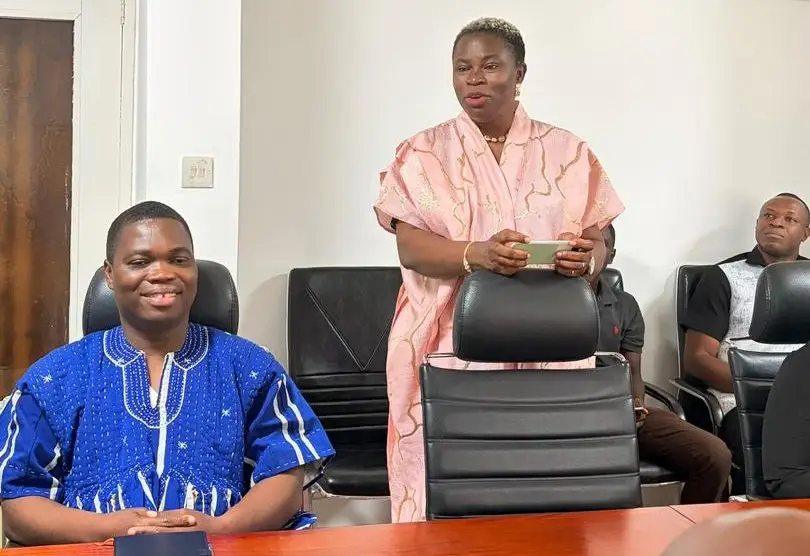
Discussions between the two institutions included proposals for student and faculty exchanges, executive education programs, and the potential creation of a joint “Governance School” to convene policymakers and researchers around shared challenges. The collaboration also underscores the growing importance of bridging Francophone and Anglophone institutional networks to accelerate policy innovation.
For international partners including governments, universities, and policy organizations the partnership signals an emerging model of African-led executive education grounded in regional expertise. As GIMPA broadens its footprint, the initiative also reinforces Ghana’s positioning as a center for education exports, with increasing influence over leadership development and public-sector capacity building across Africa.
Both institutions described the agreement as a first step toward a longer-term collaboration aimed at strengthening governance systems and expanding leadership capacity on the continent.