
GIMPA, the Public Procurement Authority and the Ghana Audit Service have been named counterparts in a 12-month World Bank technical assistance programme aimed at making infrastructure procurement in Ghana more efficient, better managed and more rigorously audited.
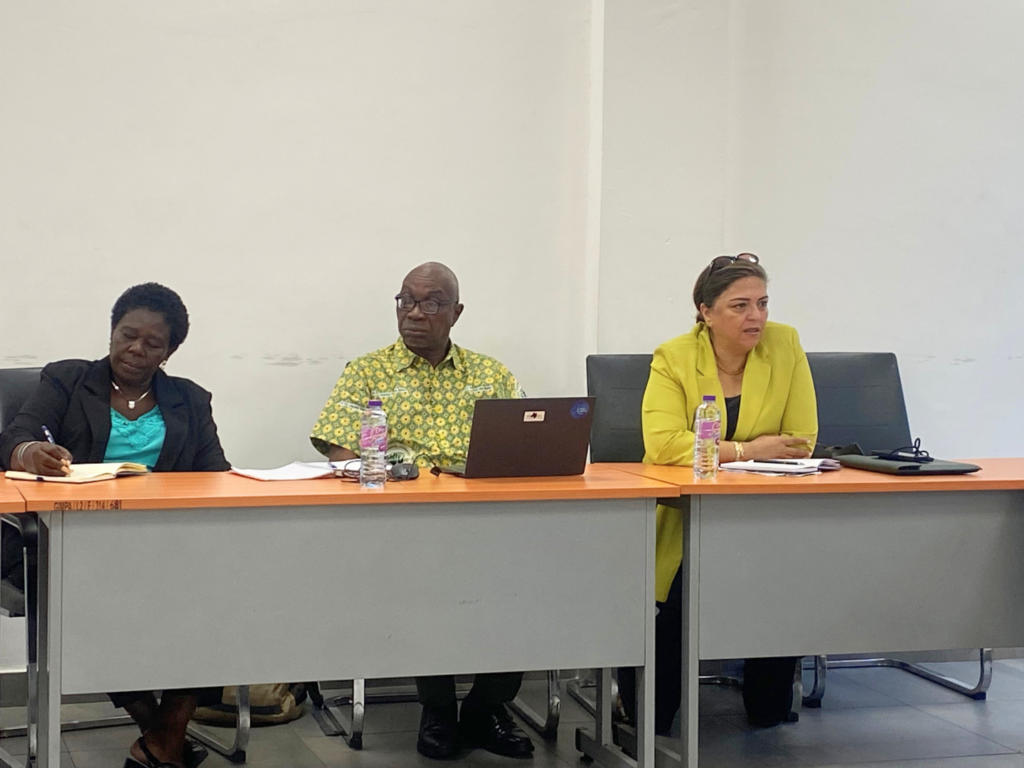
The programme, Digital and Institutional Innovations for Accountable Infrastructure in Ghana, is backed by a grant of US$200,000, from the Japanese government. Its action plan was presented to the GIMPA team on the 19th of August 2026 at the Institute’s Greenhill campus, setting out deliverables, responsible parties and the timeline for delivery.

The objective
The technical assistance is designed to leverage existing collaborations with country institutions to increase the procurement efficiency of infrastructure investment in Ghana. It pursues this through two tracks: strengthening public sector capacity and private sector participation in infrastructure procurement and contract implementation; and improving the quality of auditing of infrastructure procurement and contract implementation.
The three counterpart institutions map neatly onto those tracks. GIMPA brings training and capacity building, the Public Procurement Authority brings regulatory oversight of the procurement system, and the Ghana Audit Service brings the audit function.
What it means for GIMPA
For GIMPA, the grant will fund a substantial remodelling of the Institute’s existing public sector procurement training programme. The revised curriculum will align closely with the latest World Bank procurement regulations while addressing the practical realities of delivering government infrastructure projects in Ghana, including major national infrastructure programmes.
Crucially, the emphasis shifts from theory to practice. The updated modules will be built around real-world case studies and targeted problem-solving exercises drawn from the daily challenges public procurement officials actually face, with particular weight given to contract management, the stage at which infrastructure projects most often run into difficulty.

Building capacity that lasts
The World Bank will retain technical oversight through the development phases, while GIMPA takes on full execution and the administrative running of the project. The arrangement is deliberately structured to end with the transition of complete operational control to GIMPA, so the revamped programme continues well beyond the life of the grant.
By moving towards hands-on, case-based learning, the partnership reinforces GIMPA’s standing as a premier hub for capacity building in Africa equipping the next generation of public sector leaders with the practical skills needed to deliver infrastructure that is well procured, well managed and properly accounted for.
Leading the team of World Bank officials, Ms Lina Tutunji, lead Procurement Specialist,reiterated the World Banks satisfaction with Gimpa’s collaboration. She assured the team of further collaboration beyond the 12 months Japanese grant period. “We encourage you to utilise fully the grant to build capacity beyond the one-year period which becomes a good revenue avenue for your institute”. Director of Gimpa Training and Consulting, Kenneth Ofori-Boateng thanked the World Bank for the confidence reposed in Gimpa and assured the team of excellent delivery.
