
Highlighting impactful, policy-relevant research from GIMPA researchers

Samuel K. Bonsu, Russell W. Belk & Fadwa Chaker.
Redemptive materialism: consumption practices in contemporary African Pentecostalism.
This study examines Pentecostal adherents in Ghana to derive a concept of how adherent religious beliefs are reconciled to valorise contemporary consumer pursuits. Based on over ten years of ethnographic inquiry, the authors suggest the analytical notion of ‘redemptive materialism’ that references some pragmatic processes and practices of contemporary religious consumption – dream-making, legitimisation and moral translation – in a manner that allows adherents to transform experiences of lack into avenues of hope for material abundance. The authors intend redemptive materialism to speak to how various elements work together to shape how we live, the way we think as well, our consumer tastes, our capacity to pray, the nature of our prayers, and the way religious tutelage instructs our values. Future studies are invited to explore the possibilities that abound for religion to embrace seemingly antithetical elements of human existence.

Augustina Akonnor & Redeemer Krah.
Professional bodies and gender equality in accounting: exploring women’s perspectives in Ghana.
There remains limited research on interventions of professional accounting organization in promoting gender equality and balance in the accounting profession, particularly in sub-Saharan Africa. This study aims to examine the perspectives of women accountants about the interventions of professional accounting organization in the third space. Using a qualitative research methodology, this study sought to gain a deeper understanding of the experiences and views of women professional accountants and accounting students. Data were collected through interviews and focus group discussions and then analysed to uncover underlying patterns and themes. The results show that gender equality and inclusivity are major concerns of women professional accountants and students, and they expect that their professional accounting organization is at the forefront of gender deconstruction in Ghana. Generally, women perceive the affirmative action legislation that provides a quota for women’s representation on the governing council of the Institute of Chartered Accountants, Ghana, as the most impactful gender initiative of the institute in the gender third space. The findings suggest that the operations of the women’s group (Association of Women Accountants Ghana) are a key driver of representation, progression, and advancement of women in the profession. The study recommends that professional accounting organizations (PAOs) should spearhead gender equality and inclusivity in the profession through well-tailored policies and programmes. The study provides a new insight into the accounting and gender literature by examining the introspective gendering role of PAO in an emerging economy context through the lenses of third space.
Elvis Kwame Agyapong, Williams Ohemeng, Francis Atsu & Sarah Serwah Boateng.
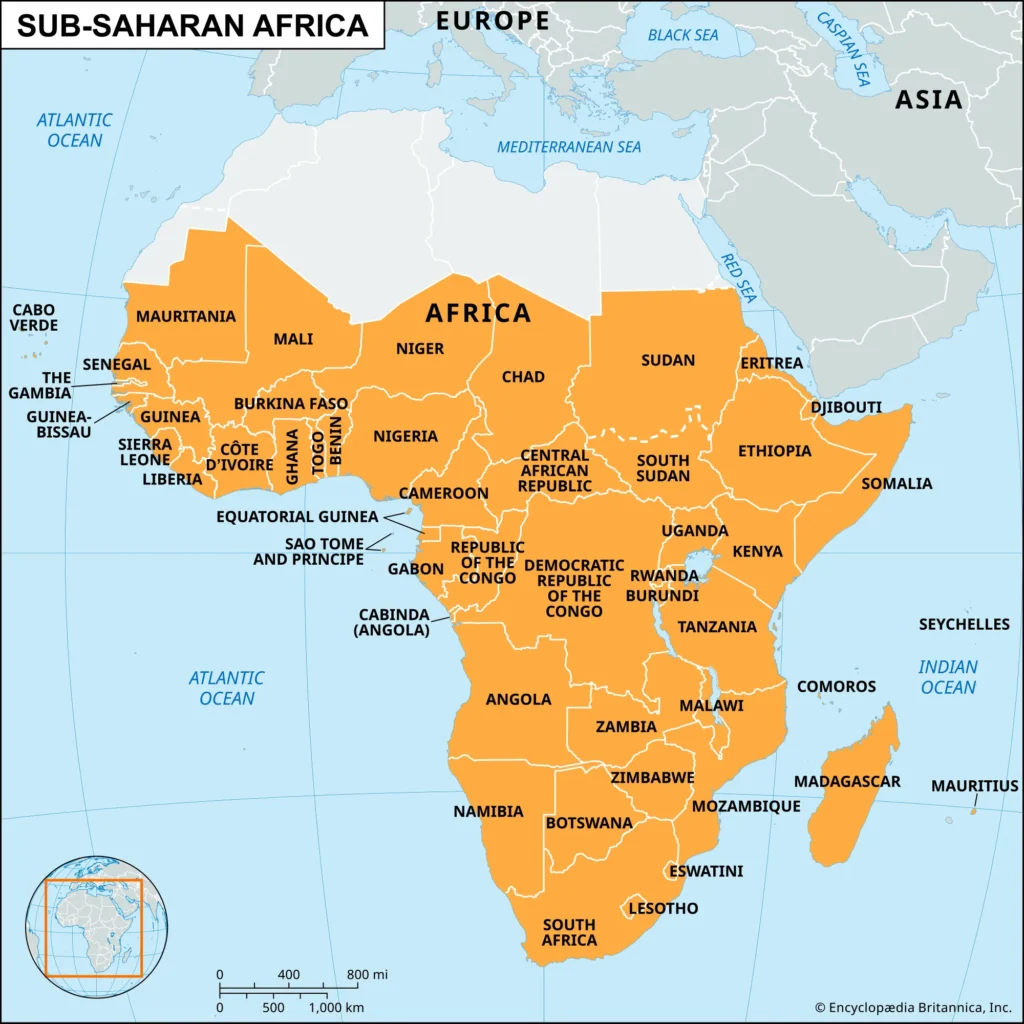
The financial system and socio-economic development among emerging economies of Sub-Saharan Africa.
This paper examines the nexus between the development of the financial sector and socioeconomic development (living standards, welfare and health of the populace), with attention to the possible moderating role that quality of governance could play in the relationship. The empirical work verifies the effect of the development of the financial sector on socio-economic development in Sub-Saharan Africa. Data were compiled from various sources for 40 countries from 2000 to 2020 and were analyzed using the two-step system generalized method of moments estimation technique. Socioeconomic development is measured using the Human Development Index in order to focus on living standards and the welfare of individuals and households. The results indicate that financial development (efficiency, access and depth) has a significant positive effect on socio-economic development in Sub Saharan Africa, all other things being equal. Again, the results reveal that improved governance structures positively moderate the nexus between the financial sector and development of economies in the sub-region. Financial stability, trade openness and financial freedom were also found to have a positive impact on living standards and welfare of the people in the sub-region.
Mohammed Armah, Ebenezer Bugri Anarfo, Emmanuel Numapau Gyamfi & Godfred Amewu.
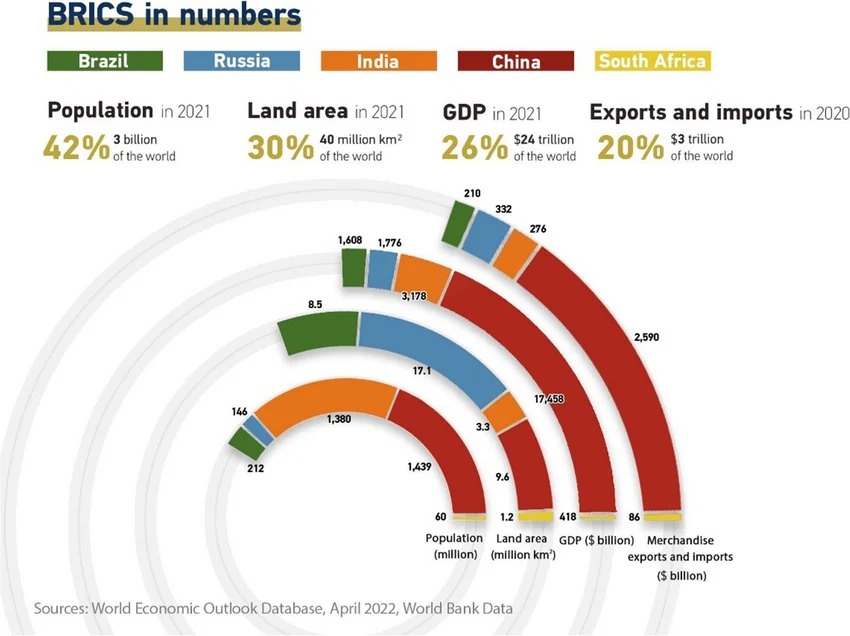
Macroeconomic Imbalances and Financial Stress Among BRICS: Analysis of Frequency-Dependent and Asymmetric Causal Nexuses.
This study investigates the intricate and evolving causal relationship between macroeconomic imbalances and financial stress in BRICS nations. To analyse these dynamics across different time scales, thus enabling timely and policy intervention, we employ an asymmetric, noise-reducing-domain ICEEMDAN-based non-parametric model supplemented by a time-varying vector autoregressive model spanning from 1998 to 2021. Our findings reveal that financial stress and macroeconomic imbalance in BRICS exhibit both frequency-dependent and asymmetric linkages, shedding light on the mechanisms underlying financial contagion and market instability in BRICS nations. Specifically deteriorating financial conditions are linked to heightened macroeconomic instability, whereas periods of low stress correspond to improved macroeconomic condition. The results underscore the need to strengthen the macroeconomic frameworks with inflation serving as a critical nominal anchor and focal point of overarching policy guidelines. Proactive monitoring and responses to accumulation of financial imbalances are essential. The study recommends that policymakers should implement fiscal and monetary measures that prioritize sustainable economic growth while reducing reliance on debt and maintaining current account balance to mitigate financial vulnerabilities.
Samuel Oti Frimpong, Emmanuel Gyamfi & Twumasi J.N. Wiredu.
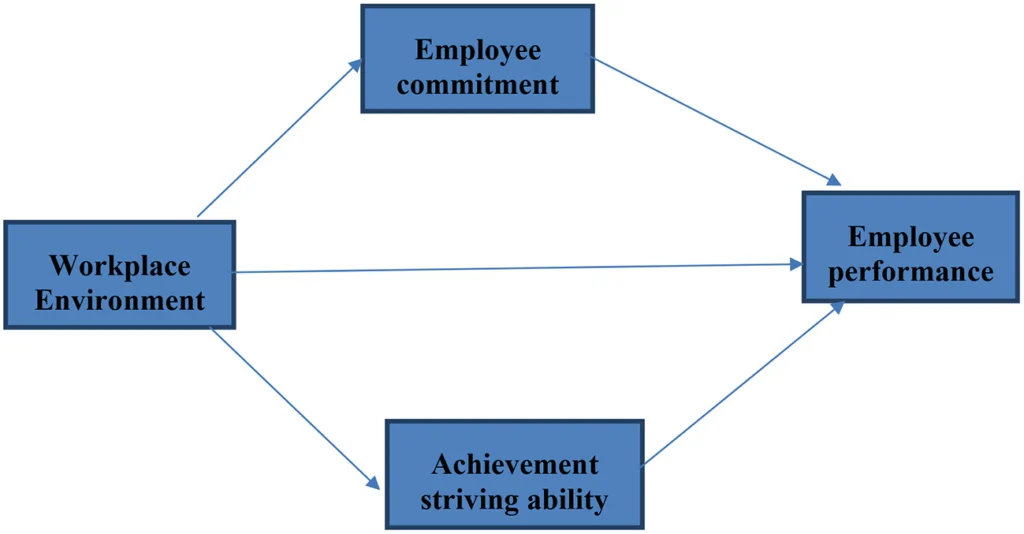
The influence of employee recognition on workplace knowledge hiding behaviour: moderating role of employee commitment.
Although management and organisational literature have grown, the relationship between employee recognition and workplace knowledge-hiding behaviour in the sphere of education, particularly in underdeveloped nations such as Ghana, remains unclear. This study, therefore, contributes to the scholarship through inquiry into the relationship between employee recognition and workplace knowledge-hiding behaviour, with employment commitment serving as a moderating factor, and focuses on public universities in Ghana’s Ashanti region. A quantitative cross-sectional design was used to collect survey data from 225 employees, which were then analysed using SPSS and structure equation modelling (SEM) techniques for moderation. The study found that employee recognition and commitment significantly reduced knowledge-hiding behaviour, but employee commitment exacerbated the negative link between employee recognition and workplace knowledge hiding. This suggests that organisational collaboration and knowledge exchange depend heavily on recognition. For the success of public universities, the study recommends putting in place both formal and informal recognition programs to boost employee commitment and lessen workplace knowledge hiding to boost employee performance.

Kofi Sarpong Adu-Manu, Emmanuel Amoako & Felicia Engmann.
Advancements in Machine Learning-Enhanced Green Wireless Sensor Networks: A Comprehensive Survey on Energy Efficiency, Network Performance, and Future Directions.
Wireless sensor networks (WSNs) are a collection of sensor nodes that collect data from the environment using wireless technology. WSNs have many applications in various domains, such as public utilities, industrial monitoring and control, and defense and military activities. However, WSNs have limited energy, short network lifetime, high bandwidth requirements, low throughput (TP), and unreliable connections. Green WSNs (GWSNs) are approaches that optimize energy consumption and enhance sustainable networks. Despite these advancements, nonadaptability to dynamic network conditions and the use of static historical data necessitates introducing machine learning (ML) techniques to address these challenges. GWSNs aim to reduce energy consumption and environmental impact, while ML techniques will improve data processing and network performance. This paper surveys recent advances in ML-based GWSNs, covering different aspects such as network structure, data exchange, location information, quality of service (QoS), and multiple path support. We also present the performance metrics, implementation issues, and future trends in ML-based GWSNs. The paper introduces a new taxonomy categorizing ML applications based on network architecture, data sharing, location data, multipath support, and QoS. The survey findings show that ML-based GWSNs can achieve up to 50% energy savings, 30% TP improvement, and a 40% delay reduction (DR) compared to conventional WSNs.

Kingsley S. Agomor & Ebenezer Ahumah Djietror.
Complexities of Legislative Representation in Ghana: Do Legislators Really Represent their Constituents?
The question of whose interest legislators really represent is yet to be satisfactorily answered in the literature of legislative studies. The paper investigates whether Members of Parliament (MPs) in Ghana follow their constituents’ preference, their own judgment, or their parties’ interests. Qualitative data was collected through 25 in-depth interviews with MPs, senior parliamentary staff, Parliamentary press corps, and civil society groups. Using theoretical literature on ideal styles of representation—delegate, partisan, and trustee— the delegate role of MPs in relation to their constituents was largely overshadowed by the delivery of personalized and club goods as a way of representing their constituents. However, on a matter of policy, a partisan orientation strongly influences the legislative decision-making of MPs. This is due to the economic leverage that political parties have over their candidates’ re-election bid and a whip system that can compel MPs to prioritize the party’s interest over that of constituents and their own judgment. Informal factors, such as ethnicity, religion, schoolmates, family relations, and friendship, though they play a minor role in influencing their representational orientation, could potentially shape the secret dissenting views of MPs from their parties’ positions. These findings highlight the need to enhance public education on the core responsibilities of MPs. This will foster an enduring trustee relationship, essential for reducing excessive pressure and demands on MPs, and undue partisanship in legislative policy-making.
Holy Kwabla Kportorgbi, Francis Aboagye-Otchere & Teddy Ossei Kwakye.
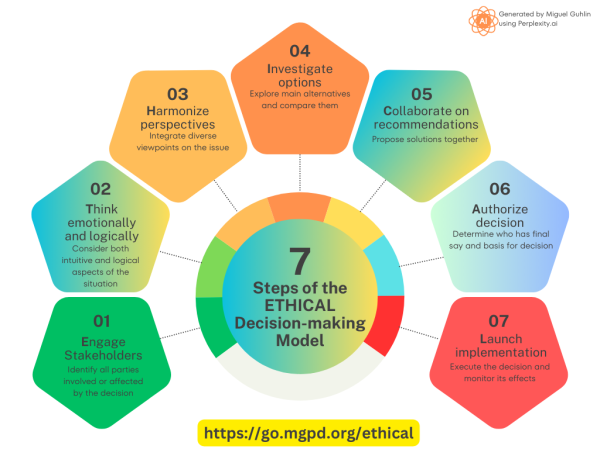
Ethical decision-making: an interactive model of organizations’ ethics systems and decision-makers’ financial situation.
This study aims to investigate the influence of two perceived organizational ethics systems (perceived ethics training quality and integrity-based climate) on the ethical decision-making (EDM) of tax accountants in Ghana. The study also examines the moderating role of the decision-makers’ financial situation on the quality ethics training–EDM relationship. Survey data from 356 tax accountants were analyzed using the partial least squares structural equation modeling technique. The results show that the two ethics systems influence EDM, but their extent of influence varies across the stages of EDM. Specifically, quality ethics training is a better predictor of EDM at the ethical issue recognition stage, whereas integrity-based climate is a better predictor of EDM at the ethical intention stage. The study also found that decision-makers’ financial situation predicts the ethical recognition stage of EDM but does not moderate the quality ethics training–EDM relationship. This study recommends the concurrent deployment of quality ethics training and an integrity-based work climate to improve ethical behavior. Policymakers should also emphasize a work climate that promotes honesty, conscientiousness and ethical principles (integrity-based climate) to improve ethical intentions.
Nana Assyne, Alfred Nyadroh, Emmanuel Adabor, Emmanuel Antwi-Boasiako, & Isaac Wiafe.
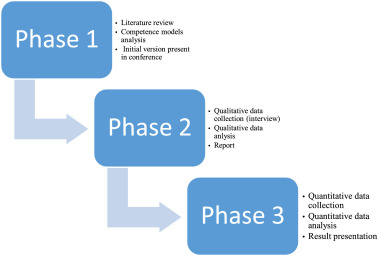
A Dynamic Software Start-up Competence Model.
Software startups are important drivers of innovation, job creation, and digital transformation. However, more than 60% fail within the first five years, often due to gaps in competencies that change as the organization evolves.This study proposes and validates a dynamic competence model for software startups, aligned with the Crowne lifecycle framework comprising Startup, Stabilization, Growth, and Maturity stages. A mixed methods approach was applied, combining qualitative interviews with quantitative surveys. The study identifies evolving competencies across three domains: business, architecture, and innovation. The findings reveal that competencies shift from being “desired” to “required” as startups progress through lifecycle stages. In the Startup stage, business competencies such as corporate structuring are essential, while project management and customer support become critical during Growth and Maturity. Technical competencies like programming and algorithms are vital early on, with advanced skills such as application security gaining importance during scaling. Innovation competencies, particularly problem solving and persistence, remain consistently critical, while creative and abstract thinking change in emphasis as startups mature. The dynamic competence model addresses gaps in static frameworks by offering actionable insights for practitioners to prioritize skill development and resource allocation. It also provides a foundation for researchers to study the evolution of competencies in entrepreneurial contexts. The study recommends extending the model to other sectors and conducting longitudinal studies to enhance its applicability, ultimately contributing to more sustainable software engineering practices and improved startup success.
Kwasi Nyame-Baafi, Joseph Kofi Agyapong Darmoe, Williams Ohemeng, & Michel Adurayi Amenah.
Assessing the effect of energy poverty on health outcomes: insights from Ghana.
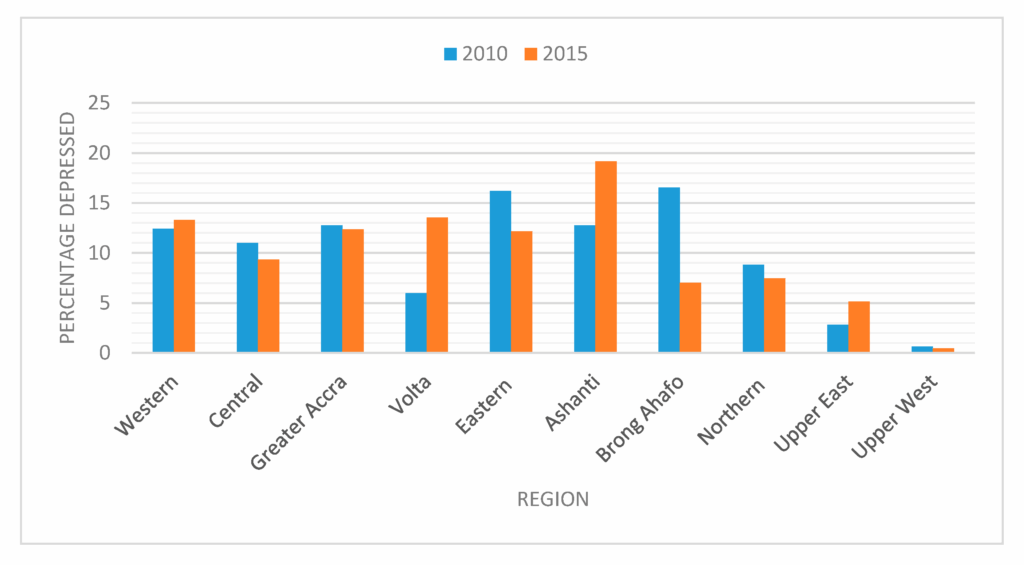
This study investigates the impact of energy poverty on health outcomes and healthcare-seeking behaviour. Specifically, it examines the likelihood of illness or injury, the duration of illness as an indicator of healthcare access, and the probability of consulting health practitioners, providing evidence to guide targeted policy interventions. The study utilized data from the Ghana Living Standards Survey (GLSS 7) to examine energy poverty and health outcomes. The Multidimensional Energy Poverty Index (MEPI) was calculated to measure energy poverty among a sample of 7,460 households. Health outcomes were assessed based on the incidence and duration of illness or injury and healthcare-seeking behaviors. To analyze these relationships, econometric models such as binary logistic regression and Poisson regression were employed, with robustness checks conducted using the Lewbel Two-Stage Least Squares (2SLS) method to address potential endogeneity. The study finds that energy poverty is significantly associated with a higher probability of experiencing illness or injury, while paradoxically linked to shorter illness duration. Among poor households, energy poverty significantly reduces the likelihood of consulting a healthcare practitioner. These findings underscore energy poverty’s dual burden: increasing health risks while limiting timely access to care, particularly for the poor. The findings highlight the critical effect of energy poverty on health outcomes in Ghana, particularly among the poorest and most vulnerable populations. Addressing energy poverty requires integrated policies that enhance access to clean and affordable energy while also improving healthcare services and public health education. Targeted interventions for vulnerable groups, including subsidies for clean energy technologies and energy-efficient appliances, are essential. This study calls for a nuanced approach that aligns energy access with public health goals, aiming to improve well-being and reduce health disparities in Ghana.
Jefferson Seyanya Seneadza, Sheena Lovia Boateng, John Serbe Marfo, Richard Boateng & Joseph Budu.
Transformative Impacts of Artificial Intelligence on the Music Industry.
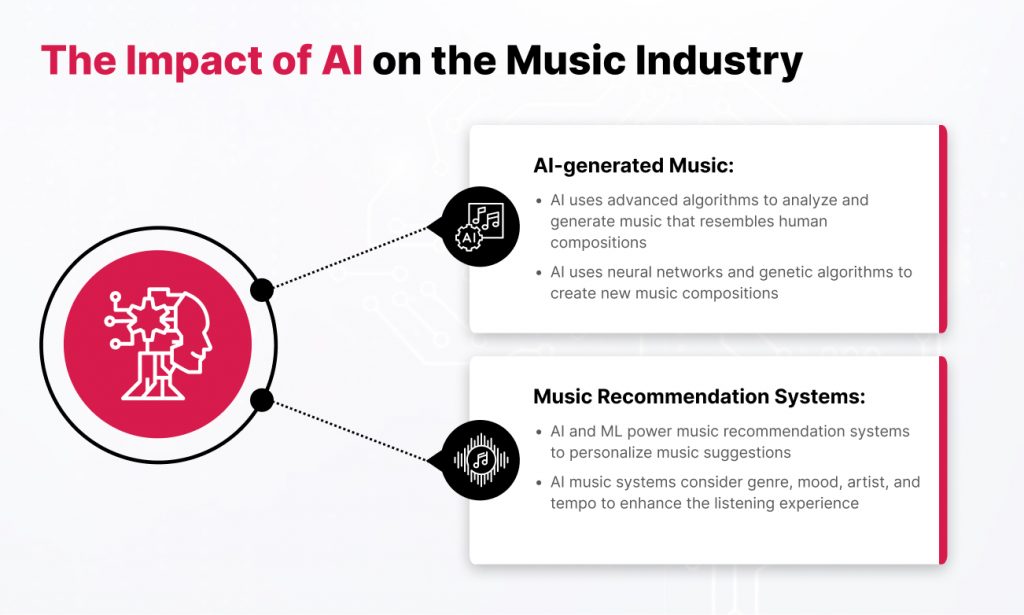
The music industry is being significantly transformed by artificial intelligence (AI), impacting all aspects of the music value chain from creation to consumption. This study examines AI’s role in various facets of music, including creation, production, distribution, marketing, education, and consumption, drawing from current academic research and practical implementations. AI enhances creativity in music composition with tools like OpenAI’s MuseNet and Amper Music and optimizes production processes. Distribution is improved by AI-driven recommendation algorithms on platforms like Spotify, personalizing user experiences. Marketing uses AI for targeted campaigns, enhancing customer interaction. In education, AI provides personalized learning experiences and adaptive tools, while personalized music therapy applications explore AI’s potential to improve health outcomes. AI also helps preserve cultural heritage by recording and revitalizing historic music genres. Despite advancements, further research is needed on ethical issues like data privacy and algorithmic bias. Studies should explore AI’s long-term impact on music consumption and traditional composing methods, focusing on ethical frameworks and cultural heritage. This chapter guides future research, emphasizing AI’s transformative potential in the music industry for a more inclusive, innovative, and vibrant future.

Williams Ohemeng & Elvis Kwame Agyapong.
Macroeconomic uncertainty, governance and development among emerging economies of Sub-Saharan Africa.
The study evaluates the effect of macroeconomic risk (uncertainty) on development (living standards and welfare of the people) among economies in Sub-Saharan Africa (SSA) for the period spanning 2000–2022. Data were compiled from various sources and were analyzed using two-step system Generalized Method of Moments (GMM) estimation procedure. Results indicate that macroeconomic risk or instability in key macroeconomic indicators pose a threat to the development of the sub-region, all other factors held constant. The study further reveals that in times of increased levels of macroeconomic risk, improved levels of effectiveness of governance, reduced rate of corruption, stable political environment and improved regulatory structures help in assuaging the threat to development. The results, again, show that instability in exchange rate, money supply, import price and inflow of foreign investment hinder development, all other things being equal. The study underscores the need to empower economic management teams to pursue policies that ensure macroeconomic stability and strengthen governance/regulatory structures to improve living standards and welfare of the people in SSA.